Arima Farms Ghana Ltd. (AFGL) is committed to transforming Ghana’s agriculture sector through large-scale cultivation of rice, maize, and soya—reducing reliance on imports and strengthening food security.
With a strategic focus in Yapei, Central Gonja District, AFGL promotes modern, sustainable farming while creating jobs and empowering local communities. By improving livelihoods and fostering self-reliance, AFGL is planting the seeds for long-term rural development and economic resilience.
AFGL has an ambitious plan to take part in the development of Agriculture Sector in Ghana.
AFGL aims at producing large quantity of Rice, Maize and Soya which will help Ghana to reduce dependence on import of food grains.
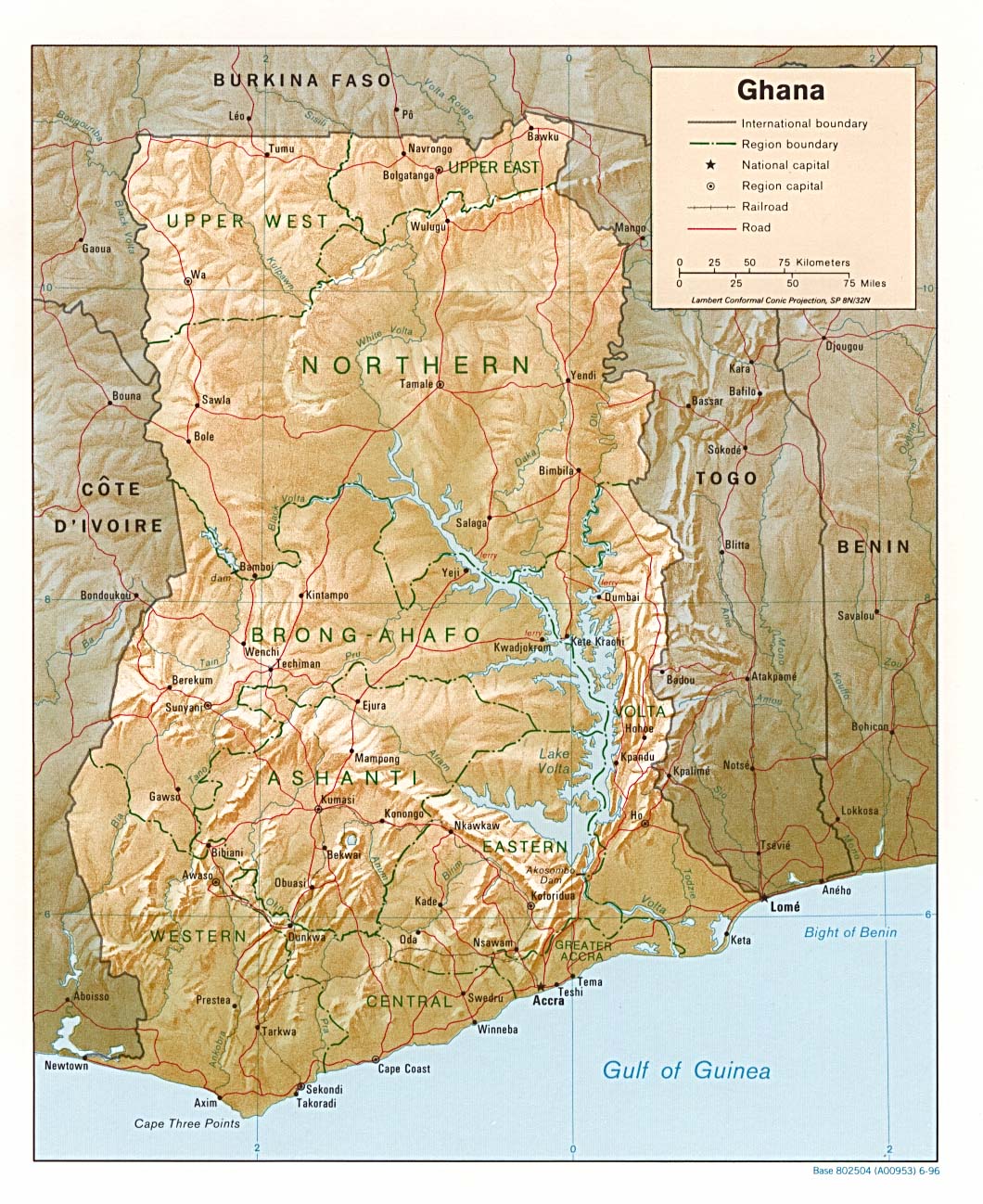
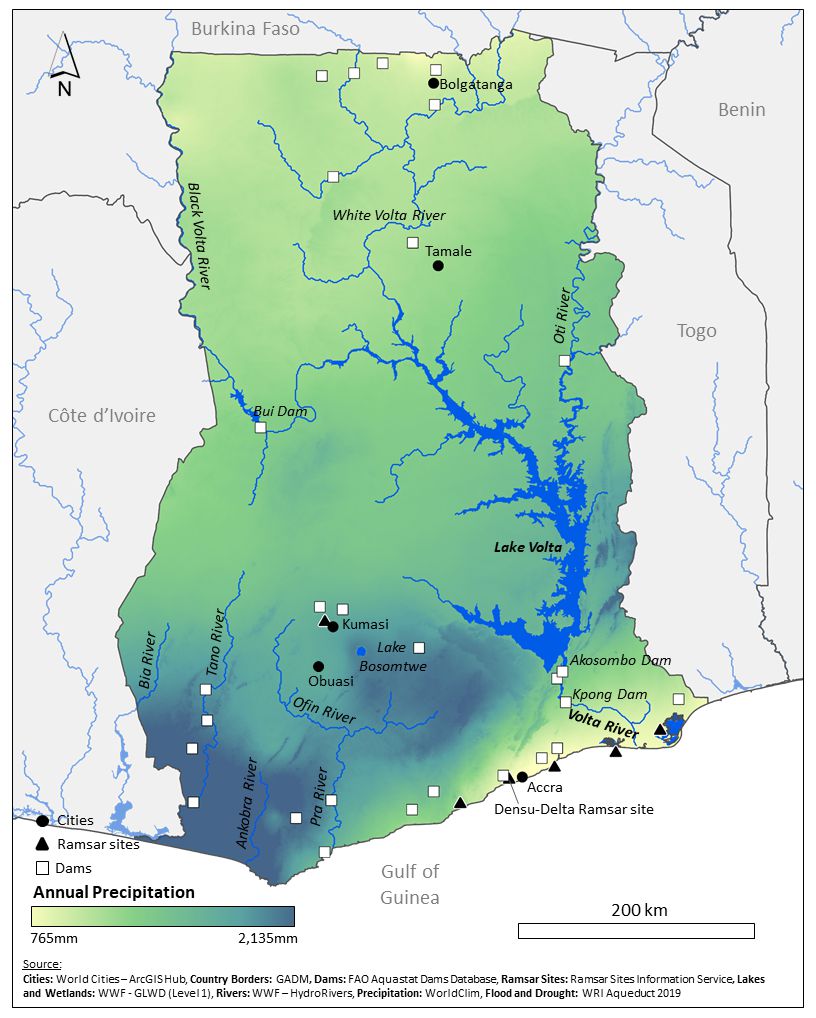
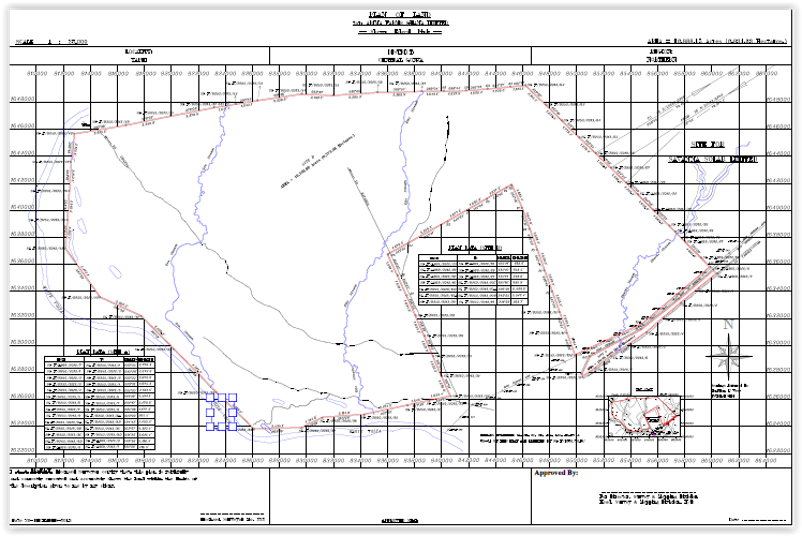
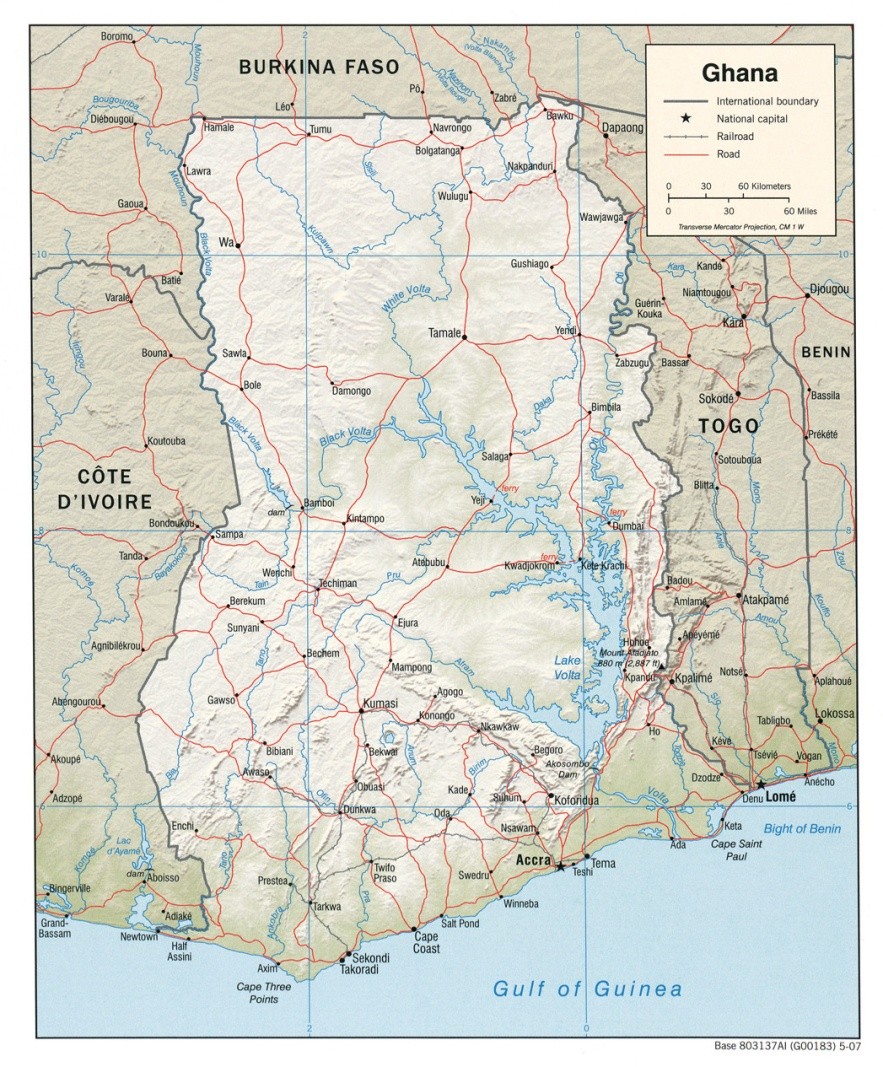
AFGL is focusing its farming activity in the Yapei area of Central Gonja District in the northern Region.
AFGL’s Farming Activity in this area will improve the livelihood of the people and raise the standard of living to a great extent.
Arima Farms Ghana Ltd. (AFGL) will be a catalyst for rural employment by directly hiring hundreds of people from the surrounding communities. These opportunities will span farm operations, crop handling, packaging, processing units, logistics, machine operation, supervision, and on-site security.
As farming becomes more mechanized and structured, individuals will gain both stable incomes and valuable technical experience. This structured employment model not only reduces rural unemployment but also brings dignity and structure to agricultural work. AFGL's approach ensures that jobs are not seasonal but year-round, with capacity-building sessions integrated into daily operations.
AFGL aims to supplement staple crop production with a range of vegetables and spices, creating a diversified crop portfolio. This will ensure that the local workforce and community have access to affordable, nutrient-rich food that supports better health.
By growing these crops locally, AFGL reduces the dependency on imported or transported vegetables, lowering costs and increasing freshness. The initiative also opens the possibility of farm-based retail outlets for the community, promoting a farm-to-table culture.


Access to clean water is a fundamental right and a core component of AFGL’s infrastructure development. Water purification and distribution units will be installed around the farm premises to serve both employees and the surrounding villages.
This ensures that health-related risks such as waterborne diseases are significantly reduced. The initiative will also improve daily living conditions, reduce time spent fetching water, and allow for better sanitation practices at the household level.
To ensure the well-being of its workforce and their families, AFGL will establish primary health care centers within close proximity of the farm. These centers will provide basic medical care, first aid, maternal health services, and health awareness sessions.
On-call medical staff and mobile clinics will be available for emergencies and regular checkups. With improved health services nearby, productivity will increase, and communities will become more resilient and health-conscious.


AFGL understands that improved sanitation is crucial for public health and community dignity. In collaboration with local health authorities and NGOs, it will initiate programs for building safe toilets, waste management systems, and hygiene awareness campaigns.
This will significantly reduce the incidence of diseases caused by poor sanitation and elevate the overall cleanliness of the environment, especially around high-density areas like schools and labor quarters.
Education is the foundation of long-term community development. AFGL will provide access to primary education facilities for the children of workers and neighboring villagers.
This could be through direct school construction or partnerships with local schools by offering infrastructure support, scholarships, and learning materials. With education made accessible and affordable, children will have the opportunity to break generational poverty and aspire for a better future.

AFGL will upgrade and maintain critical roads that connect the farm to nearby villages and towns. These roads will not only ease the transportation of produce and farm materials but also serve the larger community by improving access to markets, hospitals, and schools.
The improved infrastructure will encourage trade, mobility, and connectivity, contributing to economic development beyond the farm gates.


Recognizing the coexistence of farming and pastoral life in rural Ghana, AFGL will allocate designated zones within the farm for cattle grazing.
These zones will be managed to avoid conflict with cultivated lands and will help maintain harmony between crop farmers and livestock owners. Water points and basic fencing may also be added to improve animal welfare and pasture management.
AFGL is committed to preserving traditional forest-based livelihoods. Residents who rely on the collection of Shea nuts, herbs, or other minor forest produce will continue to have regulated access to these resources
This integration ensures cultural continuity and supplements household incomes, especially for women engaged in forest-based economic activities.

AFGL will organize free training sessions for farmers and women in the community focused on improved farming methods, compost making, and the use of bio-fertilizers.
These training programs will increase farm productivity and environmental sustainability while empowering women economically. Women’s self-help groups will be supported with microfinancing options to start agri-based enterprises.


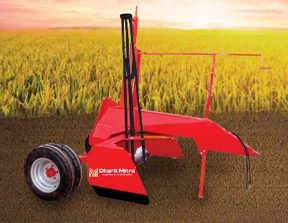
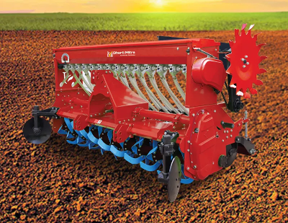
To prepare workers and villagers for the future of mechanized agriculture, AFGL will offer training on operating tractors, harvesters, irrigation systems, and farm drones.
These hands-on workshops will not only improve operational efficiency but also enhance job prospects in modern agri-related sectors.
AFGL’s out-grower program will lease prepared plots of land—complete with infrastructure—to independent farmers.
These farmers can choose their own crops while benefiting from irrigation systems, mechanized tools, and expert guidance. This model ensures shared success and helps build a network of self-sustaining agri-preneurs.


Through all these initiatives, AFGL is not just building a farm—it is building a future. By investing in people, education, infrastructure, and natural resources, AFGL is creating an ecosystem where agriculture becomes a pathway to prosperity.
The Yapei region will witness holistic development, setting a benchmark for sustainable rural transformation.